Milan · Como · Since 2010

The Shift from “Bulk SMS” to Enterprise SMS Infrastructure
For years, SMS was perceived as a simple communication tool.
Today, for enterprises operating CRM, ERP, SaaS platforms, IoT systems and AI-driven automation, SMS is no longer a marketing channel — it is infrastructure.
When SMS becomes part of authentication flows, operational alerts, logistics notifications or financial transactions, reliability is no longer optional.
CTOs are not selecting a “bulk SMS provider”.
They are selecting a mission-critical messaging infrastructure.
What Makes SMS “Enterprise-Grade”?
An enterprise SMS infrastructure must go beyond basic message delivery.
It must guarantee:
- High availability and uptime
- Redundant carrier routing
- SLA-backed performance
- Real-time delivery reporting
- Secure API authentication
- Scalable architecture under peak load
Without these components, SMS becomes a risk layer inside digital systems.
Architecture Matters: Cloud-Only Is Not Always Enough
Many providers operate cloud-only routing models.
However, enterprise environments often require:
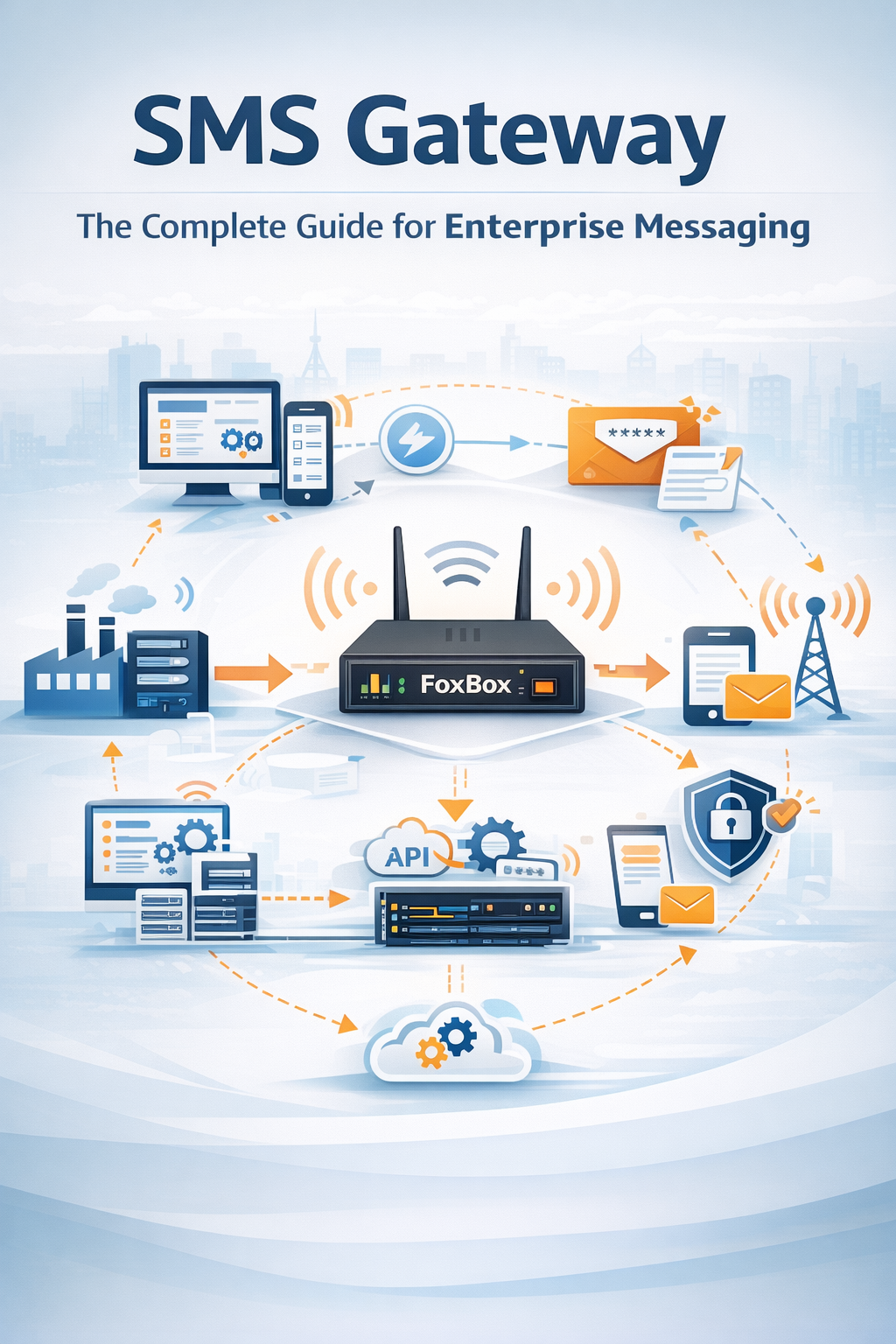
- Hybrid SMS gateway architecture
- Multi-carrier redundancy
- Intelligent routing optimization
- Failover mechanisms
A hybrid SMS gateway approach increases deliverability, reduces downtime risk and ensures consistent performance across geographies.
When SMS supports OTP authentication, logistics alerts or AI-triggered automation, infrastructure resilience becomes essential.
API Integration: The Core Decision Factor
Enterprise systems require seamless integration with:
- CRM platforms
- ERP systems
- SaaS applications
- AI automation workflows
- IoT alert mechanisms
A robust transactional SMS API must include:
- RESTful endpoints
- Secure token authentication
- Webhook configuration
- Delivery status callbacks
- Rate limiting and scalability controls
Well-documented API documentation reduces implementation time and accelerates ROI.
Security & Compliance: Often Underestimated
When SMS is used for:
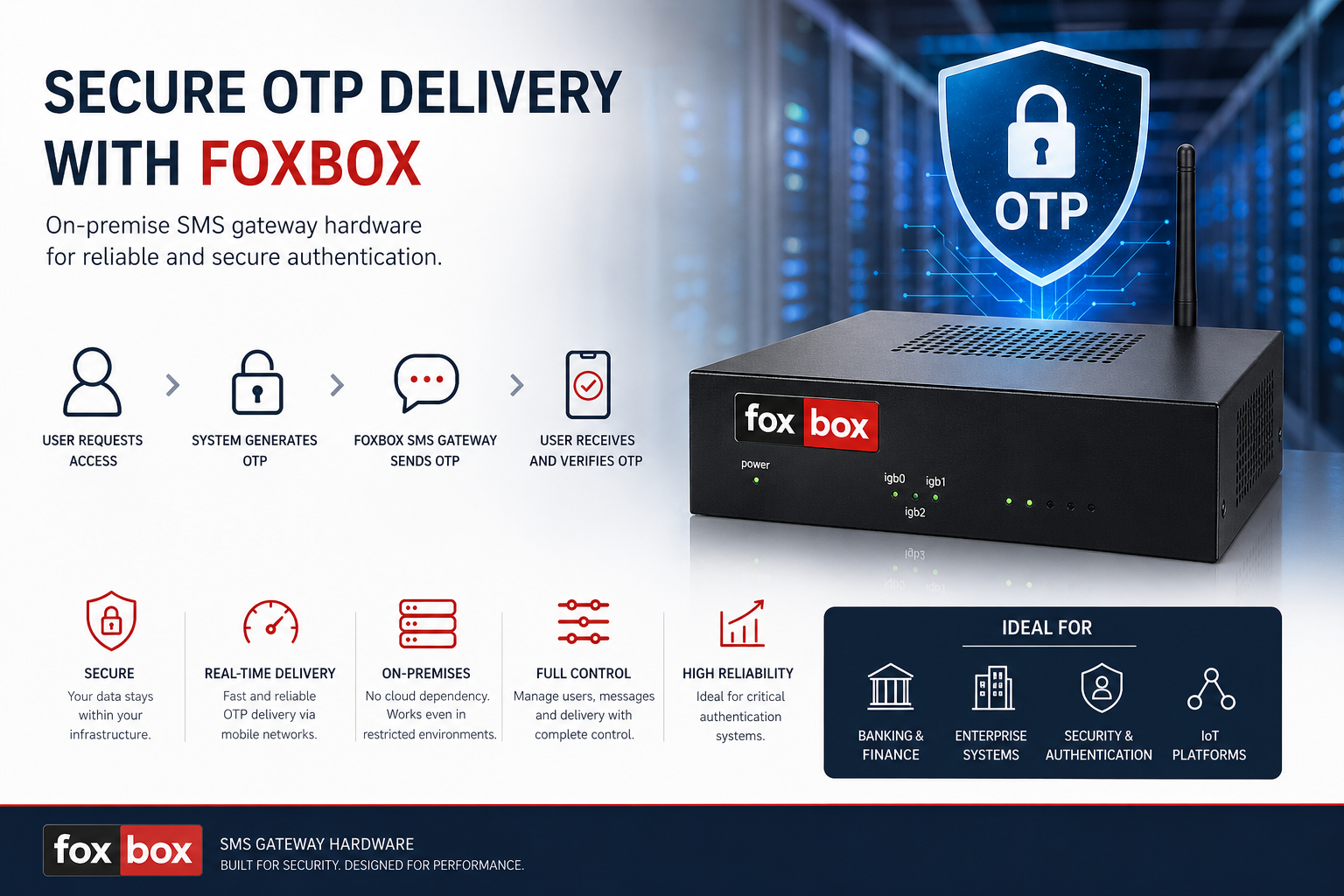
- OTP authentication
- Fraud prevention
- Account recovery
- Financial transaction alerts
Security standards must be evaluated carefully.
CTOs should assess:
- Data handling practices
- GDPR compliance
- Message encryption policies
- API access control
- Monitoring & logging systems
An enterprise SMS API should integrate securely within existing cybersecurity frameworks.
AI-Driven Automation Requires Real-Time Execution
Modern enterprises increasingly deploy AI Agents to:
- Detect anomalies
- Score leads
- Trigger operational alerts
- Manage authentication flows
However, AI decisions require a real-time execution channel.
An AI Agent-ready SMS API enables:
- Event detection
- API trigger
- Instant message delivery
- Operational action
Without real-time messaging infrastructure, automation loses impact.
Scalability Under High Volume
Enterprise messaging systems must support:
- High-volume transactional traffic
- Sudden traffic spikes
- Global message distribution
- Real-time monitoring
Infrastructure must be designed for:
- Throughput optimization
- Load balancing
- Redundancy
- SLA guarantees
Scalability is not about “sending more messages”.
It is about maintaining performance under pressure.
Cost vs. Total Cost of Ownership
Choosing a low-cost SMS provider may appear attractive.
However, CTOs must evaluate:
- Downtime impact
- Failed delivery consequences
- Fraud exposure
- Customer dissatisfaction
- Operational disruption
In enterprise environments, messaging failure can generate higher indirect costs than the infrastructure investment itself.
Enterprise Use Cases Driving Infrastructure Decisions
Enterprise SMS infrastructure is critical in sectors such as:
- Financial services (OTP & transaction alerts)
- SaaS platforms (authentication & notifications)
- IoT ecosystems (device alerts)
- Logistics (delivery status updates)
- Healthcare (secure appointment reminders)
Each use case requires high reliability and predictable performance.
A Strategic Infrastructure Decision
Selecting an enterprise SMS provider is no longer a marketing decision.
It is an architectural decision.
The right infrastructure must provide:
- Hybrid routing
- Secure API integration
- SLA-backed reliability
- AI automation readiness
- High deliverability performance
As enterprises accelerate digital transformation, messaging infrastructure becomes part of the operational backbone.
Conclusion
SMS is no longer a peripheral communication tool.
For CTOs and technical decision makers, it is an essential layer in:
- Authentication systems
- Automation workflows
- Operational alerts
- Customer communication
Choosing the right enterprise SMS infrastructure ensures reliability, scalability and security across mission-critical systems.
The question is no longer “How many SMS can we send?”
It is “How resilient is our messaging architecture?”