Milan · Como · Since 2010

Introduction
An SMS gateway is a critical component in modern business communication, enabling systems, applications, and devices to send and receive SMS messages automatically.
From authentication codes (OTP) to infrastructure alerts and IoT notifications, SMS gateways are widely used across industries where reliability and immediacy are essential.
In this guide, we explore how SMS gateways work, the different types available, and why more organizations are moving toward on-premise SMS gateway solutions.
What is an SMS Gateway?
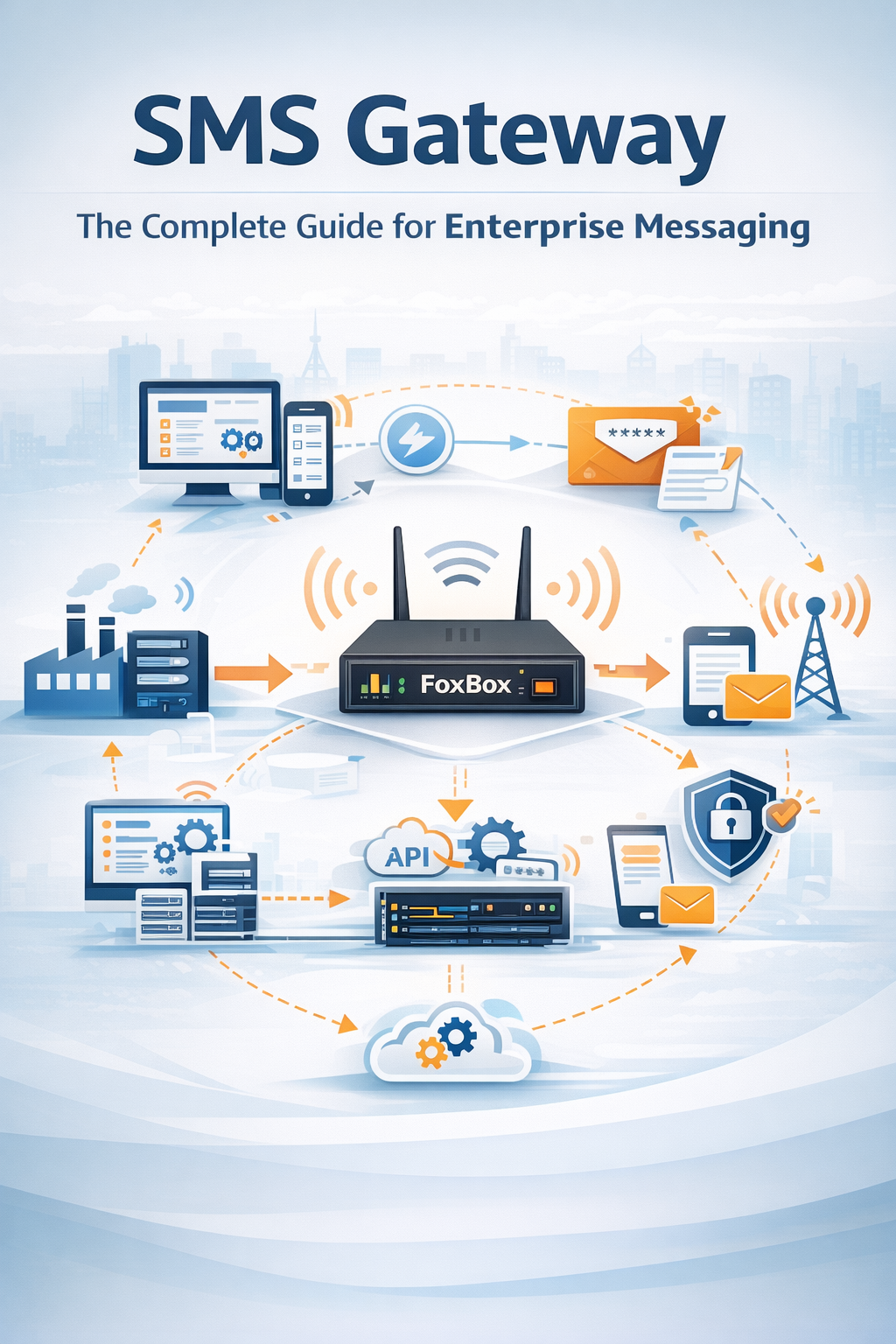
An SMS gateway is a system that allows software applications to send and receive SMS messages through mobile networks.
It acts as a bridge between:
- enterprise systems (ERP, CRM, IoT platforms)
- and mobile operators
There are two main types of SMS gateways:
- Cloud SMS gateway (external provider)
- SMS gateway hardware (local, on-premise device)
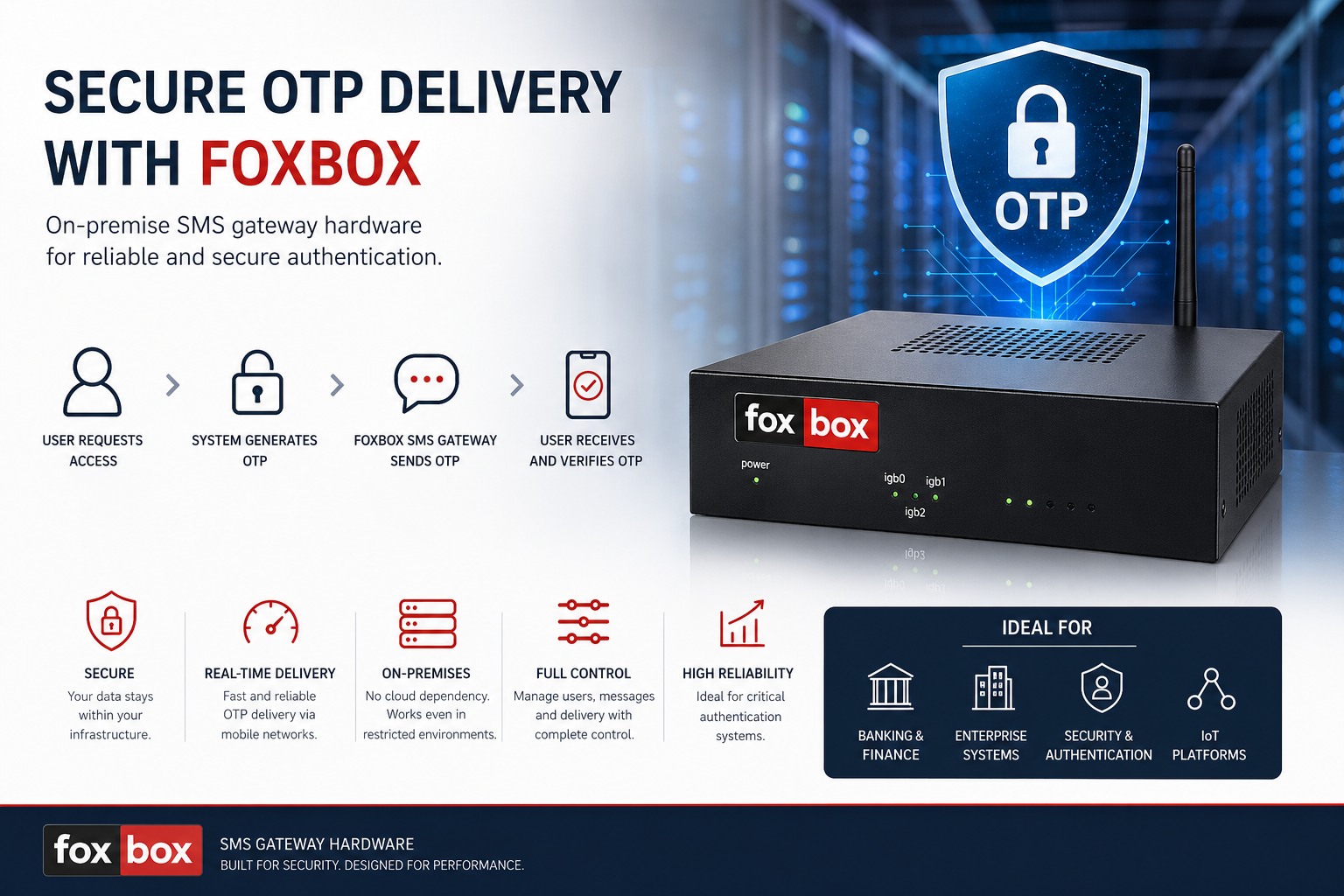
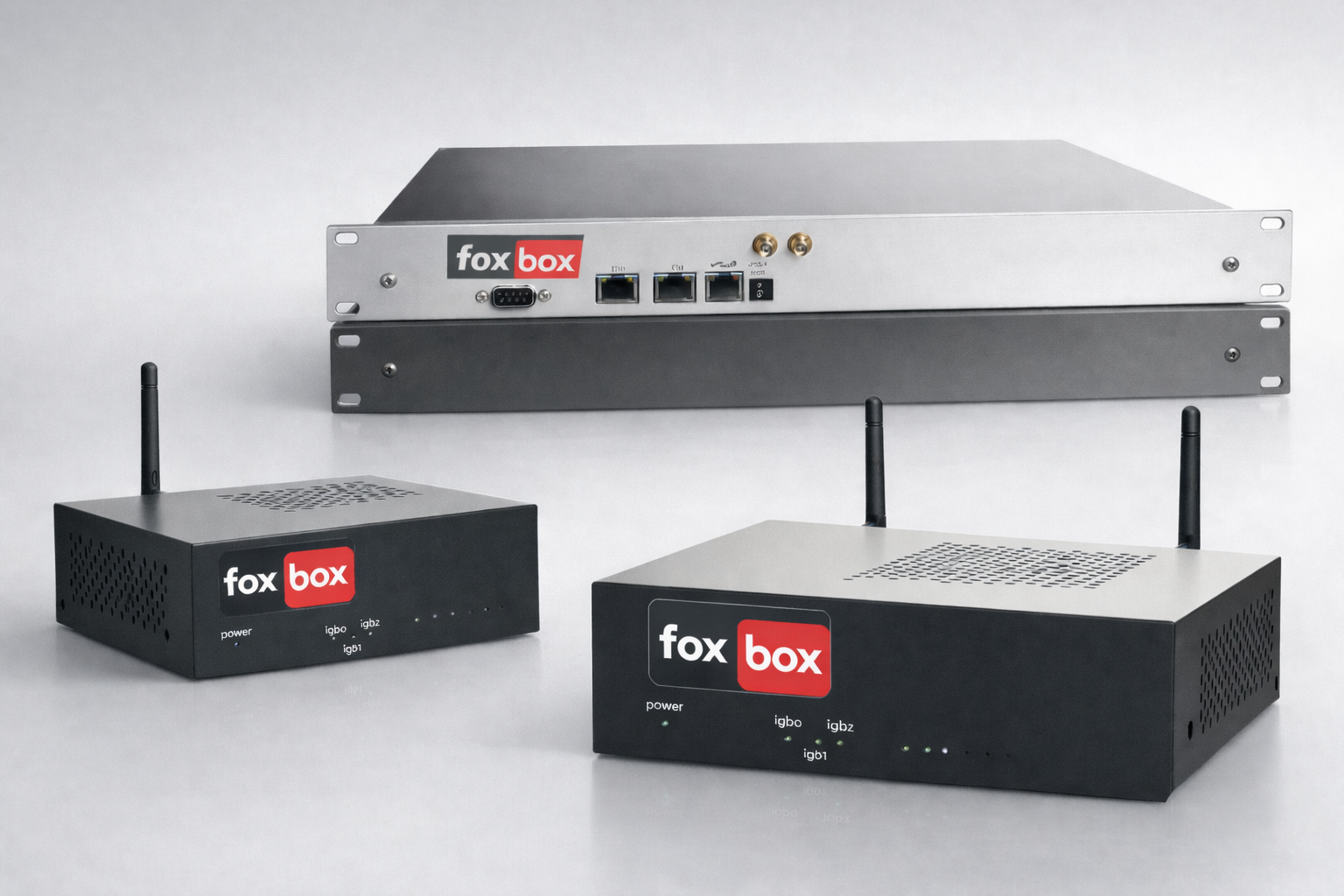
Solutions like FoxBox represent the second category, offering direct control over messaging infrastructure.
How Does an SMS Gateway Work?
An SMS gateway enables communication between applications and mobile networks using standard protocols.
Basic Flow
- Application generates a message
- Message is sent via API (HTTP, SMPP, SMTP)
- SMS gateway processes the request
- Message is delivered to the mobile network
- Recipient receives the SMS
Supported Protocols
- HTTP / REST API → most common
- SMPP → telecom-grade messaging
- SMTP → email-to-SMS
Types of SMS Gateway
1. Cloud SMS Gateway
Cloud-based platforms route messages through external providers.
2. SMS Gateway Hardware
An SMS gateway hardware is a physical device installed within your infrastructure.
Key Benefits of an SMS Gateway
Real-Time Communication
Measure delivery time for the destinations and message volumes in your project.
High Reliability
SMS uses the mobile network. Check coverage at the gateway and at the receiving handset.
Automation
SMS gateways enable automated workflows, reducing manual intervention.
Security
Used for OTP and 2FA, SMS gateways support secure authentication systems.
Wide Compatibility
SMS can reach any mobile device without requiring apps or internet access.
SMS Gateway Use Cases
IT & Infrastructure Monitoring
- server alerts
- downtime notifications
- escalation workflows
Security & Authentication
- OTP (one-time passwords)
- two-factor authentication
- fraud alerts
IoT and Industry 4.0
- machine alerts
- predictive maintenance
- remote monitoring
Healthcare
- patient notifications
- appointment reminders
- emergency alerts
Public Administration
- citizen alerts
- emergency communication
- service updates
SMS Gateway for IoT and Edge Computing
With the growth of IoT, SMS gateways are becoming part of edge architectures.
They enable:
- Messages triggered by devices on the local network
- Incoming replies for operator workflows
- Alerts sent using the local SIM route
When combined with intelligent systems, SMS gateways support:
detection → decision → action
How to Choose the Right SMS Gateway
When selecting an SMS gateway, consider:
Integration Capabilities
- REST API
- compatibility with existing systems
Scalability
- number of messages per minute
- support for multiple SIM cards
Security Features
- encryption
- user access control
- audit logs
Reliability
- uptime guarantees
- failover options
Conclusion
An SMS gateway is a fundamental component of modern enterprise communication.
Whether used for alerts, authentication, or IoT messaging, it provides:
- speed
- reliability
- automation
FoxBox puts the outgoing queue and routing settings on the gateway in your network. The SIM route uses the mobile operator for delivery.
Improve Your Messaging Infrastructure
👉 Request a demo and explore enterprise-grade SMS solutions.