Choosing between an SMS gateway hardware and an SMS API is one of the most important decisions when building a messaging infrastructure.
While both solutions allow you to send SMS messages, they differ significantly in terms of cost, control, reliability and scalability.
In this guide, we break down the differences between SMS gateway hardware and SMS APIs, helping you choose the best solution for your business.
What Is an SMS Gateway?
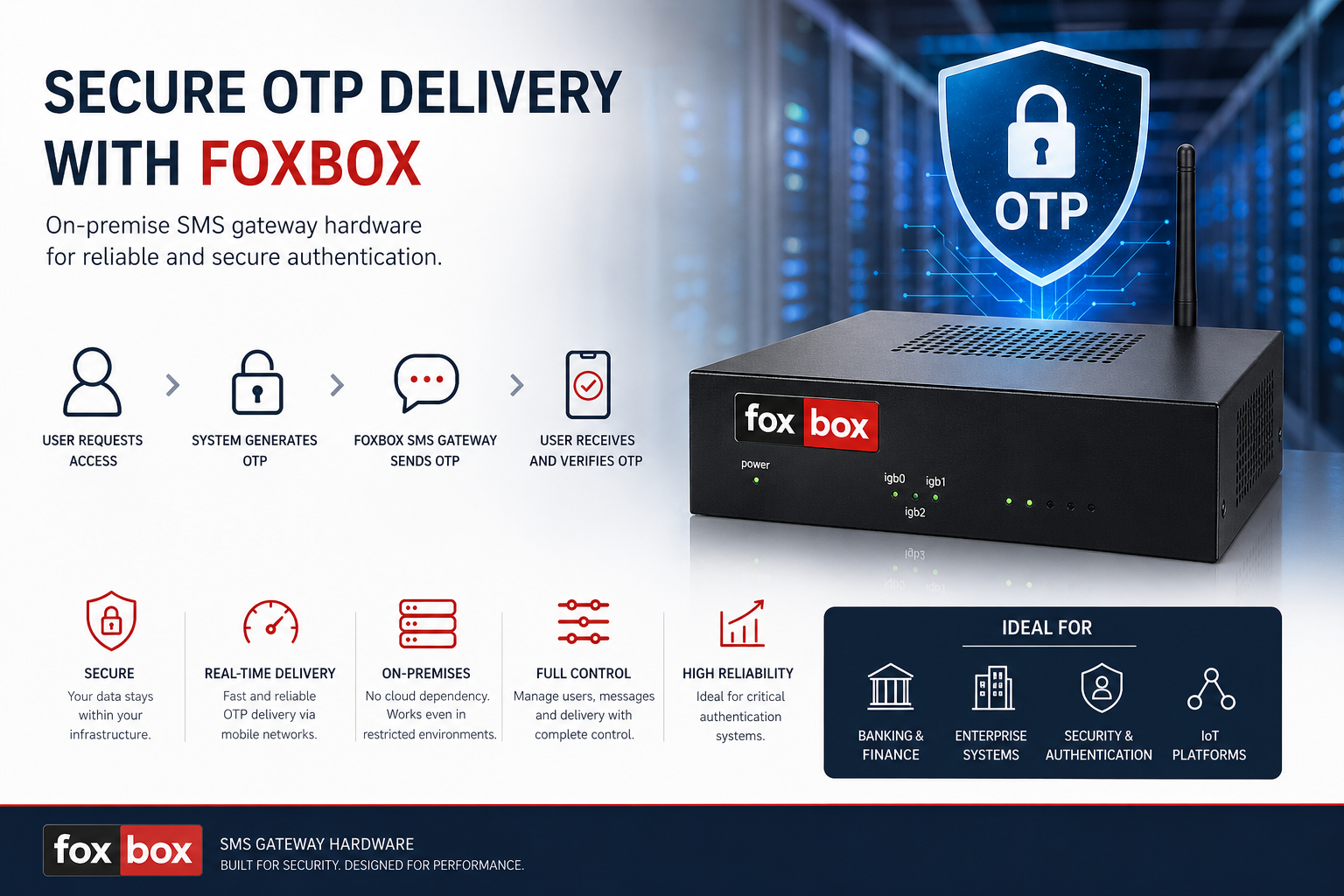
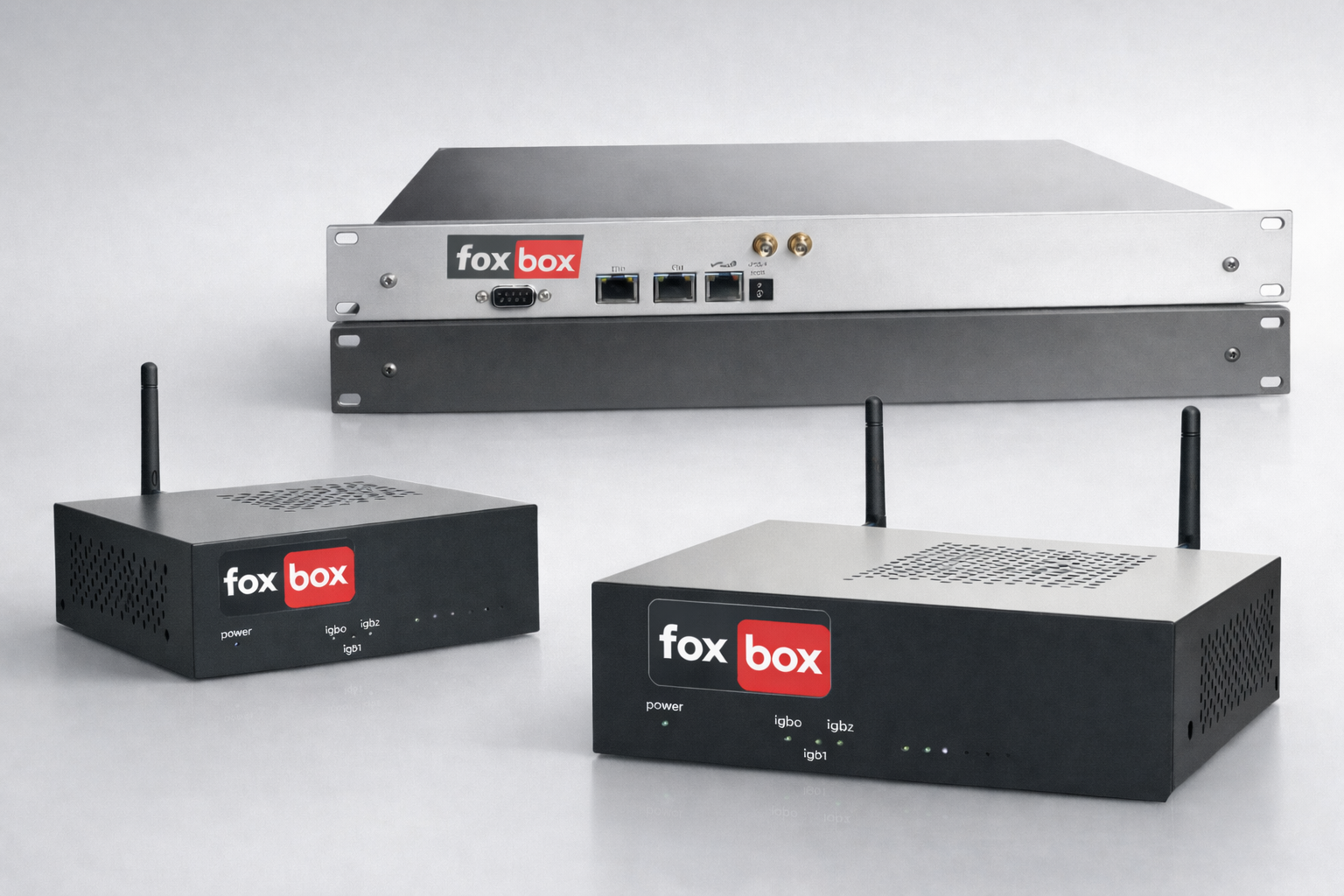
An SMS gateway hardware is a physical device that sends and receives SMS messages using SIM cards installed directly in the device.
Unlike SMS APIs, a hardware SMS gateway:
- Operates on-premise
- Uses SIM cards instead of external providers
- Works even without Internet
- Gives full control over messaging
SMS gateway hardware is ideal for companies that need secure, reliable and independent communication.
What Is an SMS API?
An SMS API is a cloud-based service that allows applications to send SMS messages through external providers.
With an SMS API:
- Messages are routed through third-party infrastructure
- Internet connection is required
- Pricing is typically based on per-message costs
- Setup is faster but less controllable
SMS APIs are commonly used for quick integrations and low-volume messaging.
SMS Gateway Hardware vs SMS API: Key Differences
| Feature |
SMS Gateway Hardware |
SMS API |
| Infrastructure |
On-premise |
Cloud |
| Internet dependency |
No |
Yes |
| Cost model |
SIM-based |
Pay per SMS |
| Control |
Full |
Limited |
| Reliability |
High |
Provider-dependent |
| Privacy |
Maximum |
Medium |
Cost Comparison: SMS Gateway vs SMS API
One of the biggest differences is cost.
SMS API:
- Pay per message
- Costs increase with volume
- Long-term expensive
SMS Gateway Hardware:
- One-time investment
- Use local SIM cards
- Predictable costs
- Lower cost at scale
👉 Businesses sending high volumes of SMS can reduce costs dramatically using SMS gateway hardware.
Security and Data Privacy
With an SMS API, your data passes through external providers.
With an SMS gateway hardware:
- Data stays in your infrastructure
- No third-party exposure
- Full compliance control
This makes hardware SMS gateways ideal for finance, healthcare and government sectors.
Reliability and Performance
SMS APIs depend on:
- Internet connectivity
- Provider uptime
- External routing
An SMS gateway hardware:
- Works offline
- Sends SMS directly via SIM
- Is not affected by provider outages
👉 This is critical for alerting systems and mission-critical messaging.
When to Choose SMS Gateway Hardware
Choose an SMS gateway hardware if you:
- Send high volumes of SMS
- Need full control and privacy
- Require offline capability
- Want to reduce long-term costs
- Manage critical alerts or infrastructure
When to Choose SMS API
An SMS API may be suitable if you:
- Need quick setup
- Send low SMS volumes
- Don’t require full control
- Prefer a fully managed solution
Why SMS Gateway Hardware Is the Best Long-Term Solution
For most businesses, an SMS gateway hardware provides:
- Lower costs over time
- Higher reliability
- Full data ownership
- Independence from providers
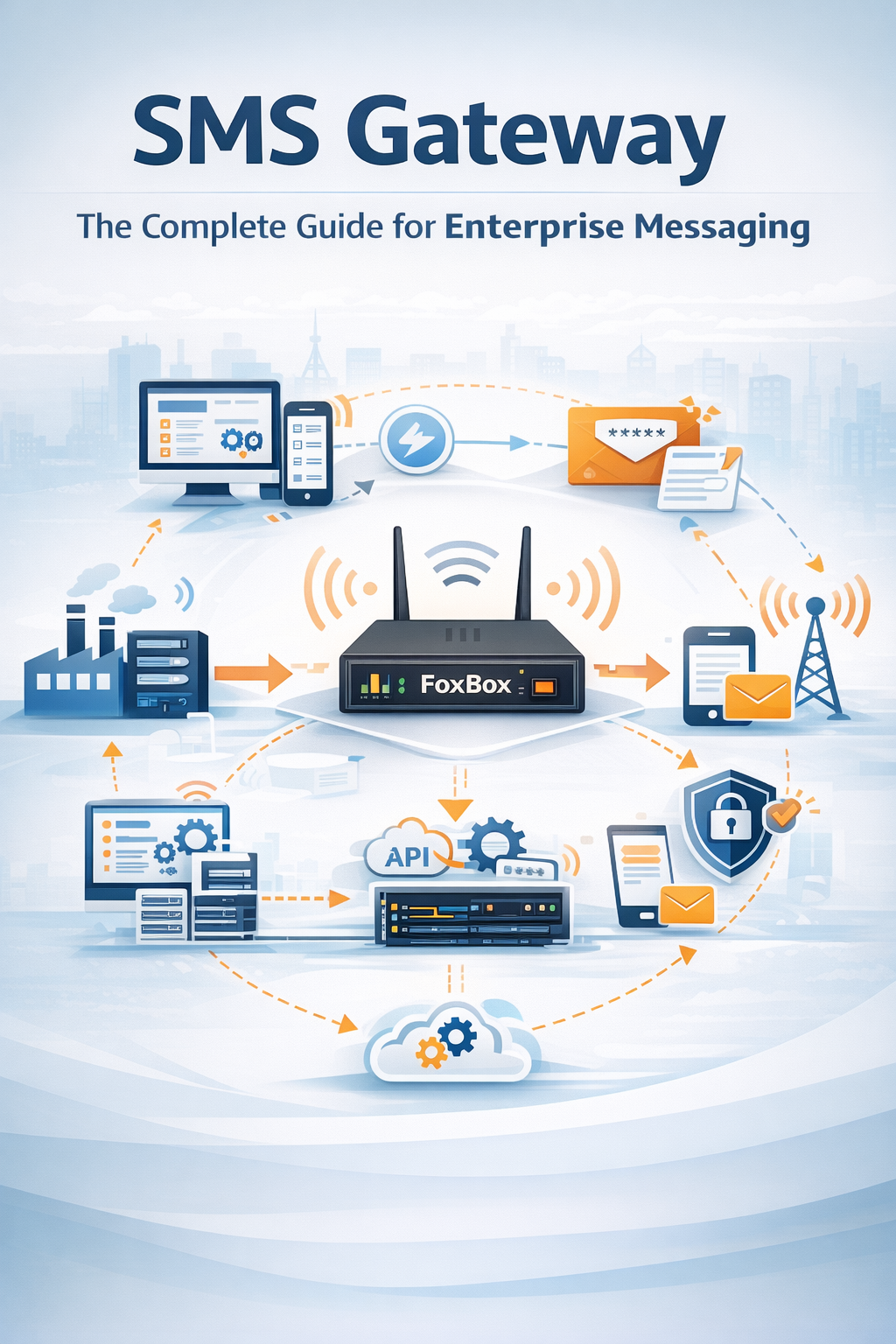
Solutions like FoxBox combine hardware reliability with modern API integration, offering the best of both worlds.
FAQ
Is SMS gateway hardware better than SMS API?
For high-volume and critical use cases, yes. It offers more control, lower costs and higher reliability.
Can I use both SMS gateway and SMS API?
Yes, hybrid setups are possible and often recommended.
Which is cheaper: SMS API or SMS gateway hardware?
SMS gateway hardware is usually cheaper in the long run.
Do SMS gateways require Internet?
Hardware SMS gateways can work without Internet.
Compare SMS Gateway Hardware Solutions
Looking for a reliable alternative to SMS APIs?
👉 Discover how FoxBox SMS gateway hardware can reduce costs and improve reliability.